How much does laser hair removal cost?
Laser hair removal is usually **cash-pay** and priced per session or as packages. Costs can vary a lot by body area, your hair/skin, and the med spa’s location and oversight.
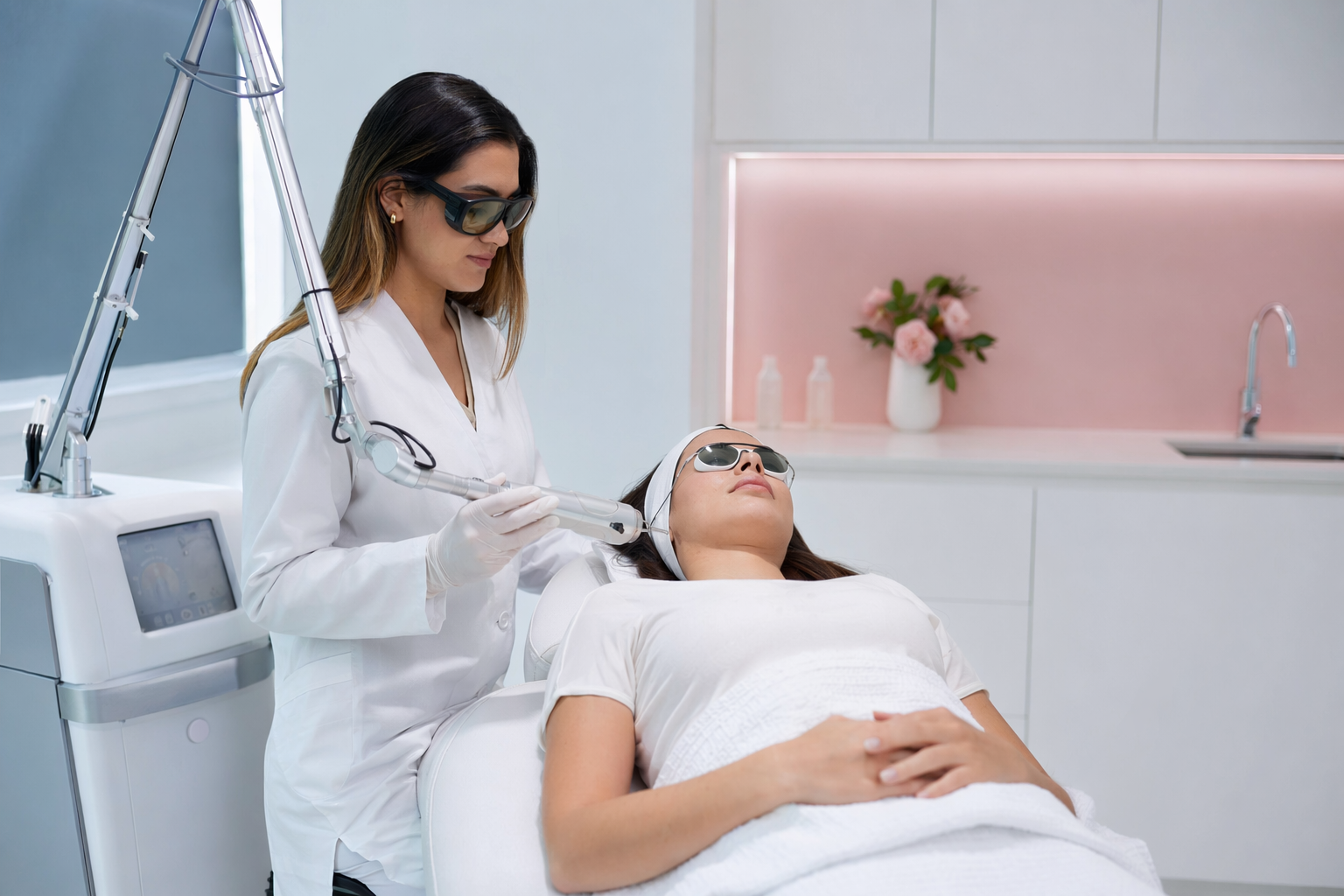
Typical laser hair removal costs (quick ranges)
Laser hair removal prices are often quoted as a per-session cost or bundled into packages. In the US, most people see total prices that depend on how many sessions you need and which areas you treat.
Common cash-pay ranges (before any promotions):
- Small areas (like underarms or a small patch): about $150–$400 per session
- Medium areas (like bikini or half legs): about $250–$650 per session
- Large areas (like full legs or back): about $400–$1,000 per session
- Full body (when offered): about $1,200–$3,000+ per session
Because each person’s hair growth cycle is different, you may need multiple sessions. Many providers commonly suggest several visits, but the exact number varies by person and technology.
If you want to compare options calmly, start with the price ranges and then ask your local providers what they include (treatment time, number of sessions in a package, and any re-treatment policy). You can also browse education guides in learn and compare local options through get matched.

Why the price can change so much
Laser hair removal costs vary because there isn’t one single “standard” setup. Providers may use different laser types, handpieces, and protocols, and they may price treatment time differently.
Here are common factors that affect cost:
- Area size and treatment boundaries: Treating a larger surface area or defining detailed borders can raise the per-session price.
- Hair and skin differences: Laser settings and number of sessions often vary from person to person.
- Technology and clinic pricing: Different equipment and overhead can affect rates.
- Location and demand: Prices can be higher in some cities and states.
- Package structure: Packages may discount single sessions, but rules can vary.
Even with the same area, two people can have different results and session needs. Quiet Bloom is a free matching service that helps you find vetted local med spas and ask the right questions—not a medical provider and not a source of medical advice.
How to estimate your total cost (without guessing too much)
If you’re budgeting, try to think in ranges, not one fixed number. A simple way is: (1) pick the area, (2) review the per-session range, and (3) estimate using a typical number of sessions you’re told—then keep some buffer for adjustments.
Costs can look like this in real life (illustrative examples):
- If underarms are quoted around $150–$400 per session and you’re advised to plan for several sessions, your total may land somewhere in the hundreds to low thousands.
- For larger areas like full legs (often $400–$1,000 per session), totals can commonly become mid-thousands when multiple visits are included.
To avoid surprises, ask what the package covers:
- How many sessions are included
- Whether sessions are the same size/time each visit
- What happens if you need more sessions later
- Any fees for additional areas
You can learn more about the overall approach in treatments and see other questions people ask in answers.
What to ask during your consultation (price + expectations)
A good consultation should help you understand what you’ll pay and what to realistically expect. Laser hair removal results can vary by person, so you’ll want clear, honest communication about typical outcomes and session planning.
Bring these questions (you can ask them in your first call or at the visit):
1. What is the total expected range for my area, not just one session?
2. How many sessions are commonly recommended, and why?
3. What is included in the price (prep, treatment time, follow-ups)?
4. If I don’t reach my goals, how does re-treatment work?
5. Who provides the treatment and what is the level of medical oversight? (Rules can vary by state.)
Also remember: never sign or pay under pressure. Compare more than one provider, and verify credentials and oversight yourself. While laser hair removal is widely offered, all treatments can carry risks and side effects, and safety depends on the provider, the equipment, and how the plan is set up for you.
Cash-pay reminders and insurance
Laser hair removal is typically cash-pay. In most cases, it’s not covered by insurance because it’s considered cosmetic. That means the “sticker price” you see usually reflects what you’ll pay directly.
If you see a very low offer, ask what makes it possible. For example: Is it limited to a small area? Does it require a certain package length? Are there additional charges? Prices should be understandable and transparent.
If you’d like, Quiet Bloom can help you find and connect with vetted local med spas so you can compare consultations calmly. You can request a match through get matched.

Common questions
Does laser hair removal cost more for larger areas?
Yes, larger areas usually cost more because they take longer to treat and may require more sessions. Many providers price small areas (like underarms) in the hundreds per session, while larger areas (like full legs) can be in the hundreds to around a thousand or more per session, depending on the provider and location.
How many sessions will I need, and how does that affect the total cost?
Session counts vary by person and the treatment plan, so there isn’t one number that fits everyone. Many people are advised to plan for multiple visits, and total cost is often calculated as (per-session range) times (the number of sessions recommended).
Are packages cheaper than paying per session?
Often, yes. Packages may reduce the per-session cost, but the details can vary—such as how many sessions are included, whether areas are limited, and what happens if you need more later. Ask for the package terms in plain language before you commit.
Will my insurance cover laser hair removal?
In most cases, laser hair removal is **cash-pay** and not covered by insurance because it’s typically considered cosmetic. Coverage rules can vary, so it’s still a good idea to confirm with your insurer.
Is the cheapest option always the best deal?
Not necessarily. A lower price can be tied to a smaller area, shorter treatment time, fewer sessions, or different equipment and oversight. It can be safer (and usually smarter) to compare the full plan: equipment used, who performs the treatment, medical oversight practices (which can vary by state), and the realistic expectations for results.
Always choose a med spa with proper medical oversight, verify credentials yourself, and ask about risks and costs in writing before any treatment.