What is a chemical peel?
A chemical peel is a skin-care treatment where a provider applies a chemical solution to exfoliate the top layers of skin. Learn what it can do, typical costs in the US, and how to choose a reputable, properly overseen provider.
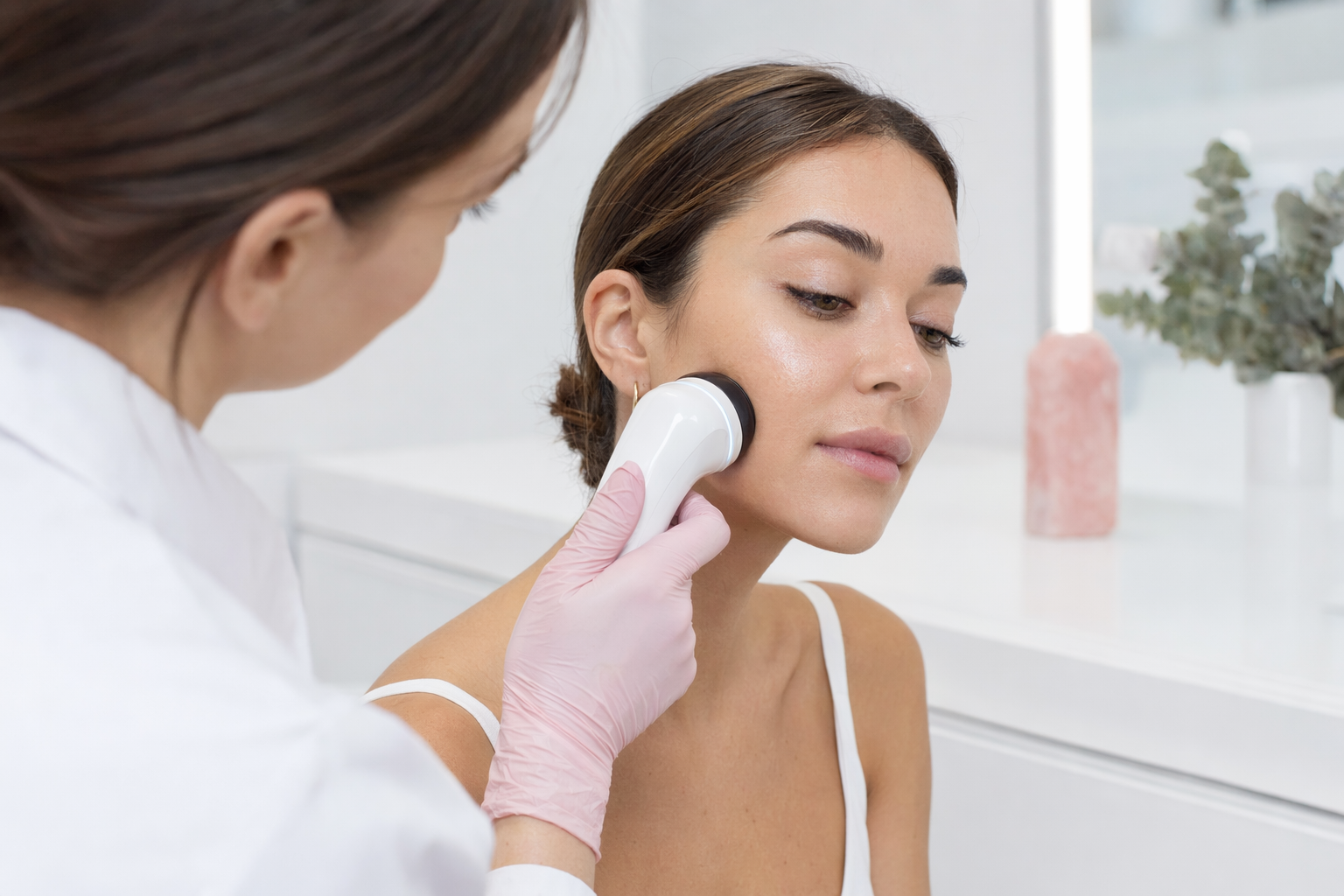
Chemical peel, in plain language
A chemical peel is a treatment where a provider applies a chemical solution to the skin. The goal is to gently remove or loosen the outer layers so the skin can look smoother as it heals.
Peels can be light (superficial) or stronger (medium/deeper). The exact type depends on what you want to treat (like dullness, uneven tone, or texture) and what your skin can safely handle. Results vary by person and by the provider’s experience.
Important: Quiet Bloom is a free matching service, not a clinic or medical provider. We share general, educational information and help you get matched with vetted local med spas. We do not give medical advice.
If you’re looking for options near you, you can start with getting matched.

What chemical peels are typically used for
Chemical peels are often chosen for cosmetic reasons, such as helping with:
- Dullness and rough texture
- Uneven skin tone (for example, areas that look darker)
- Mild to moderate signs of aging, depending on the peel depth
- Acne-related marks in some cases
Some people also use peels as part of a broader skin-care plan. A good consultation should explain what the peel is likely to help with—and what it likely will not.
Be cautious if you hear “instant” or “guaranteed” results. Even when a peel is done well, healing can include redness, flaking, or dryness, and the look of your skin can take time to settle.
How the treatment usually works (what to expect)
While protocols differ, a typical chemical peel visit often looks like this:
- A consultation to discuss your goals and help choose a peel type
- Skin prep (often cleansing; sometimes a pre-treatment plan)
- The peel solution is applied for a set time, then neutralized/removed depending on the product and provider approach
- Aftercare instructions for healing and sun protection
You may notice sensitivity or peeling after a peel, especially with stronger options. Downtime can range from mild flaking to more noticeable recovery, depending on peel depth.
If you want a broader overview of common med spa treatments, see treatments. For more learning guides, visit learn and answers.
Prices and common payment realities (US cash-pay)
Chemical peels are usually cash-pay services. Insurance often does not cover them because they’re typically considered cosmetic.
Typical price ranges in the US can vary based on peel depth, brand/product used, the provider, and your location. As a rough guide, many people see costs around $150–$500 per session for lighter peels, and $500–$1,500+ per session for medium-strength options.
Some plans include a series (for example, multiple sessions). Ask what’s included in the price—like prep, aftercare, and any follow-up visits—so you can compare providers calmly. Avoid any situation where you’re pressured to sign or pay immediately.
Risks, side effects, and choosing a provider safely
Most chemical peels carry some risk. Possible side effects can include redness, burning/stinging, swelling, dryness, itching, darker or lighter patches, infection (rare but possible), and prolonged irritation—especially if aftercare is not followed.
Who performs the peel matters. Med spa oversight rules can vary by state, and a med spa often needs medical oversight (such as a supervising physician). Quiet Bloom can help you connect with vetted local med spas, but you should still verify:
- Credentials and training of the person who performs the peel
- Medical oversight (what it is and how it works in that location)
- Patch testing practices when appropriate
- A clear explanation of expected recovery and when to contact the office
A helpful consultation should set realistic expectations. There’s no guarantee of outcomes, and results can differ based on your skin, the peel type used, and how well aftercare is followed.
If you want to compare places near you, start with get matched.
Aftercare basics (general information)
After a chemical peel, aftercare is often the biggest factor in comfort and the final look of your skin. Providers usually recommend:
- Strict sun protection (often sunscreen and avoiding direct sun)
- Gentle cleansing and moisturizing
- Avoiding picking, scrubbing, or harsh products during healing
- Following exactly what the provider tells you for how long to avoid heat, sweating, or exfoliants
Because products and protocols vary, use the instructions from the provider who performed your peel. If you have concerns, contact the med spa directly rather than waiting.
Quiet Bloom does not provide medical advice. We can help you find and compare providers, and you can use the consultation to ask questions about aftercare and realistic timelines.

Common questions
How long does a chemical peel take, and how long is downtime?
The in-room time can be brief, but the full visit may take longer due to prep and aftercare instructions. Downtime varies a lot by peel depth—light peels may cause mild flaking for a few days, while stronger peels can require a longer healing period. Your provider should explain what to expect for the specific peel they recommend.
Will I get peeling or redness after my chemical peel?
Often, yes—especially with light exfoliation and stronger options. Redness and flaking are common during healing, but the level and duration vary by person and by the peel type. If you experience severe pain, unusual swelling, or concerning symptoms, contact the provider right away.
How many sessions do people need?
Some people do one session; others choose a series for gradual improvement. A typical plan can range from a few visits to several, depending on the goal and peel depth. Your provider should describe a realistic schedule and what changes you may see over time.
What does a chemical peel cost?
In the US, chemical peels are usually cash-pay. Costs often range from about $150–$500 per session for lighter peels and $500–$1,500+ for medium-strength options, depending on location and the specific peel approach. Ask for an itemized quote so you know what’s included.
Are chemical peels safe for everyone?
Chemical peels are not one-size-fits-all. Safety depends on factors like skin type, sensitivity, the peel strength, and medical oversight. Results and side effects can vary, so it’s important to have a consultation and to choose a properly overseen, experienced provider.
Always choose a med spa with proper medical oversight, verify credentials yourself, and ask about risks and costs in writing before any treatment.