Body and contouring treatments, explained
Body and contouring treatments are non-surgical options that may help change how the body looks or feels. They often use devices or energy, and results vary a lot by person, provider, and treatment.
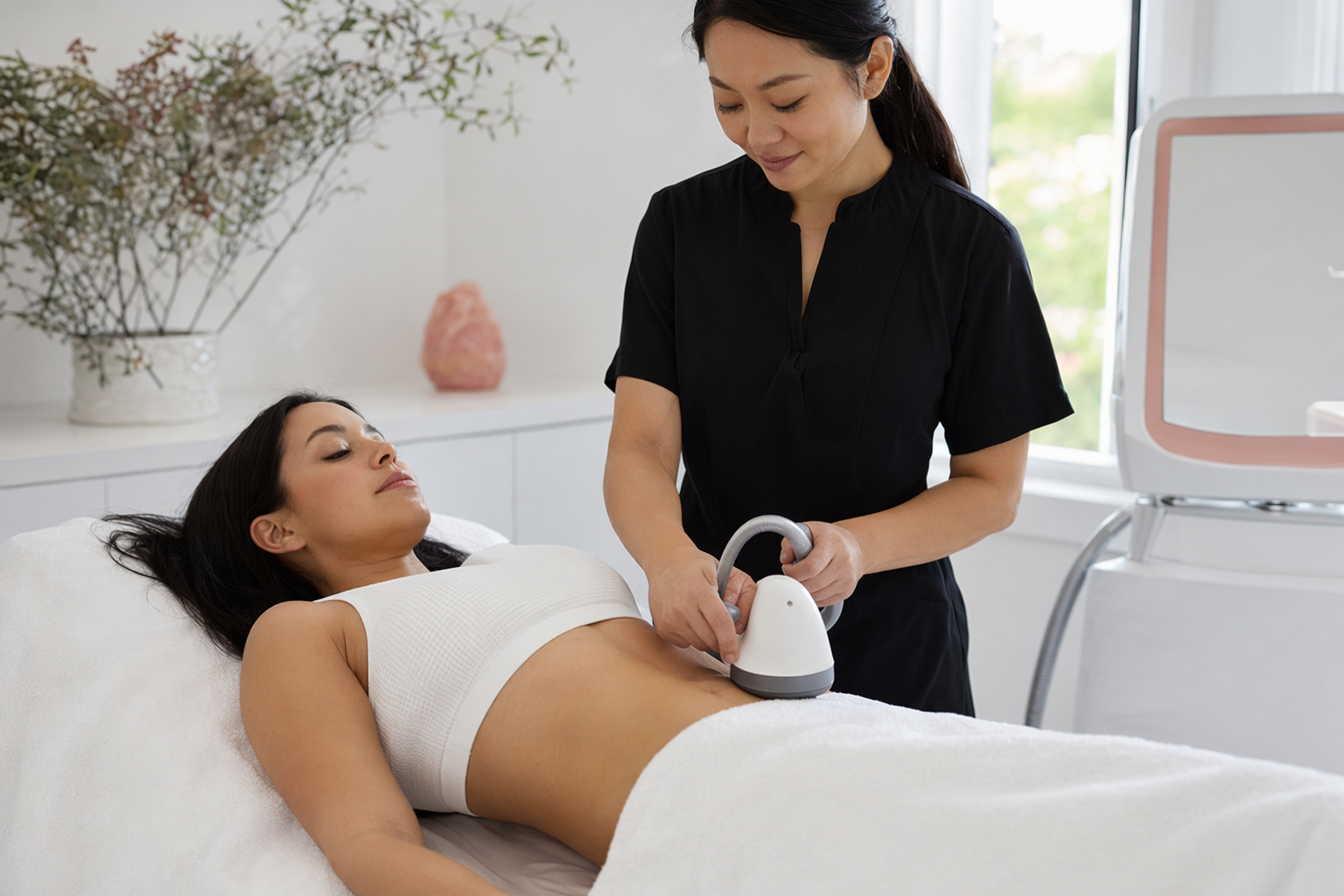
What body and contouring treatments are
Body and contouring treatments are a broad group of med spa services that aim to change shape, smooth skin, or improve the look of certain areas. Common examples include fat-reduction devices, skin-tightening treatments, cellulite treatments, and some muscle-toning devices.
These treatments are usually cash-pay and often not covered by insurance. Prices can vary by city, device type, and number of sessions. A single session may cost about $150 to $1,500+, while a treatment plan can total $1,000 to $4,500+ or more.
These services are not one-size-fits-all. Some people want a small cosmetic change. Others want help with skin texture or a more defined look. A careful consultation should explain what a treatment can and cannot do, how many sessions may be needed, and what downtime or side effects to expect.

Common types and what they may be used for
Different devices and techniques work in different ways. Some use cold, heat, radiofrequency, ultrasound, laser energy, or muscle stimulation. The goal may be to reduce the look of stubborn fat, tighten skin, or soften the appearance of cellulite.
A few common categories are:
- Fat-reduction treatments — designed to target small, stubborn areas.
- Skin-tightening treatments — may help the skin look firmer or smoother.
- Cellulite treatments — may reduce the dimpled look in some areas.
- Muscle-toning treatments — may help create a more defined look when used as part of a broader plan.
Results can be gradual and may take more than one session. Some people notice a change sooner than others, while some notice only a modest difference. No treatment can promise a certain body shape or size.
Who should perform these treatments
Because body and contouring services can affect deeper tissue and skin, they should be done by trained professionals working within the rules of their state. In many places, med spas use medical oversight, such as a supervising physician, but the exact ownership and practice rules vary by state.
The person doing your treatment should be trained on the specific device, know how to use it safely, and explain realistic expectations. That may be a physician, nurse practitioner, physician assistant, registered nurse, or another trained provider, depending on the state and treatment type.
If you are comparing options, ask who will perform the treatment, who oversees the practice, how much experience they have with that device, and what happens if you have a side effect. You can also read who performs med spa treatments.
Pros, limits, and possible downsides
These treatments can be appealing because they are non-surgical, usually have little or no downtime, and may fit people who want a gradual cosmetic change. For some, that makes them easier to consider than surgery.
The limits matter too. Body contouring usually cannot replace weight loss, exercise, or surgery. It also may not work the same way on every body area or every person. Some people need several visits, and results may be subtle.
Possible downsides can include temporary redness, swelling, tenderness, bruising, numbness, or uneven results. Less common but more serious risks can happen with improper use or weak medical oversight. That is one reason it helps to compare more than one provider and ask careful questions before you pay.
How to choose calmly and what to ask
A good consultation should feel clear, unhurried, and respectful. You should be able to ask what the treatment is meant to do, what the usual price range is, how many sessions are often needed, and what side effects may happen. Do not sign or pay under pressure.
It is also wise to ask how the practice is overseen, who performs the treatment, and whether the device is right for your goals. Compare more than one provider if you can. You can use our simple guide on what to ask at a med spa consultation.
If you want help finding local options, Quiet Bloom is a free matching service. We help you connect with vetted med spas in your area using contact details only, such as name, phone, ZIP, city, and optional email or language. Please do not share health details with us.
When body treatments may suit someone
These treatments may suit adults who want a non-surgical cosmetic option and understand that results are often modest and vary. They may be a fit for someone who has realistic goals, is comfortable with cash-pay pricing, and wants to discuss options with a trained provider first.
They may not be a good fit for someone looking for a guaranteed change, a quick fix, or the lowest possible price without checking credentials. The safest choice is often the one that gives you time, space, and clear information.
If you are ready to explore options, you can start with get matched or browse the full treatments overview.
What affects price
Price depends on the treatment type, number of sessions, the size of the area, the device used, and local market rates. A single visit may be lower for a small area and higher for a full plan or advanced technology.
Typical cash-pay ranges often look like this:
- Small treatment area or single session: $150 to $600
- Common multi-session plan: $800 to $3,500
- Larger or more advanced treatment plans: $3,000 to $4,500+
A consultation should explain the full cost before you commit. If the price is unclear, ask for the total estimate in writing.

Common questions
Do body contouring treatments make you lose weight?
Usually, no. These treatments are generally cosmetic and may change the look of specific areas, but they do not replace weight loss, exercise, or healthy habits. Results vary, and many people see only a modest change.
How much do body contouring treatments cost?
Many cash-pay treatments fall around $150 to $1,500+ per session, with total plans often ranging from about $1,000 to $4,500+ or more. The total depends on the area treated, device used, and how many sessions are recommended.
Who is allowed to perform these treatments?
That depends on the state and the treatment. In many places, a trained medical professional works under medical oversight, and the rules for ownership and advertising can vary by state. Ask who will do the treatment and who supervises the practice.
Are there risks or side effects?
Yes. Common side effects can include redness, swelling, bruising, soreness, or temporary numbness. More serious problems are less common but can happen, especially if the device is used incorrectly or the provider is not properly trained.
Always choose a med spa with proper medical oversight, verify credentials yourself, and ask about risks and costs in writing before any treatment.